Built to Endure: A Napa Retreat Forged in Fire
The vision for the project was clear. A weekend retreat in Napa Valley where the clients would unplug and unwind. But when wildfires swept through the region in 2018, destroying a neighboring home and scorching the hillside, the entire effort paused. The question was no longer what to build, but whether to build at all. We had already been engaged to estimate and deliver the project. The assignment had now changed.
This would not just be a home. It would be a model for fire-adapted construction in California’s new climate reality.
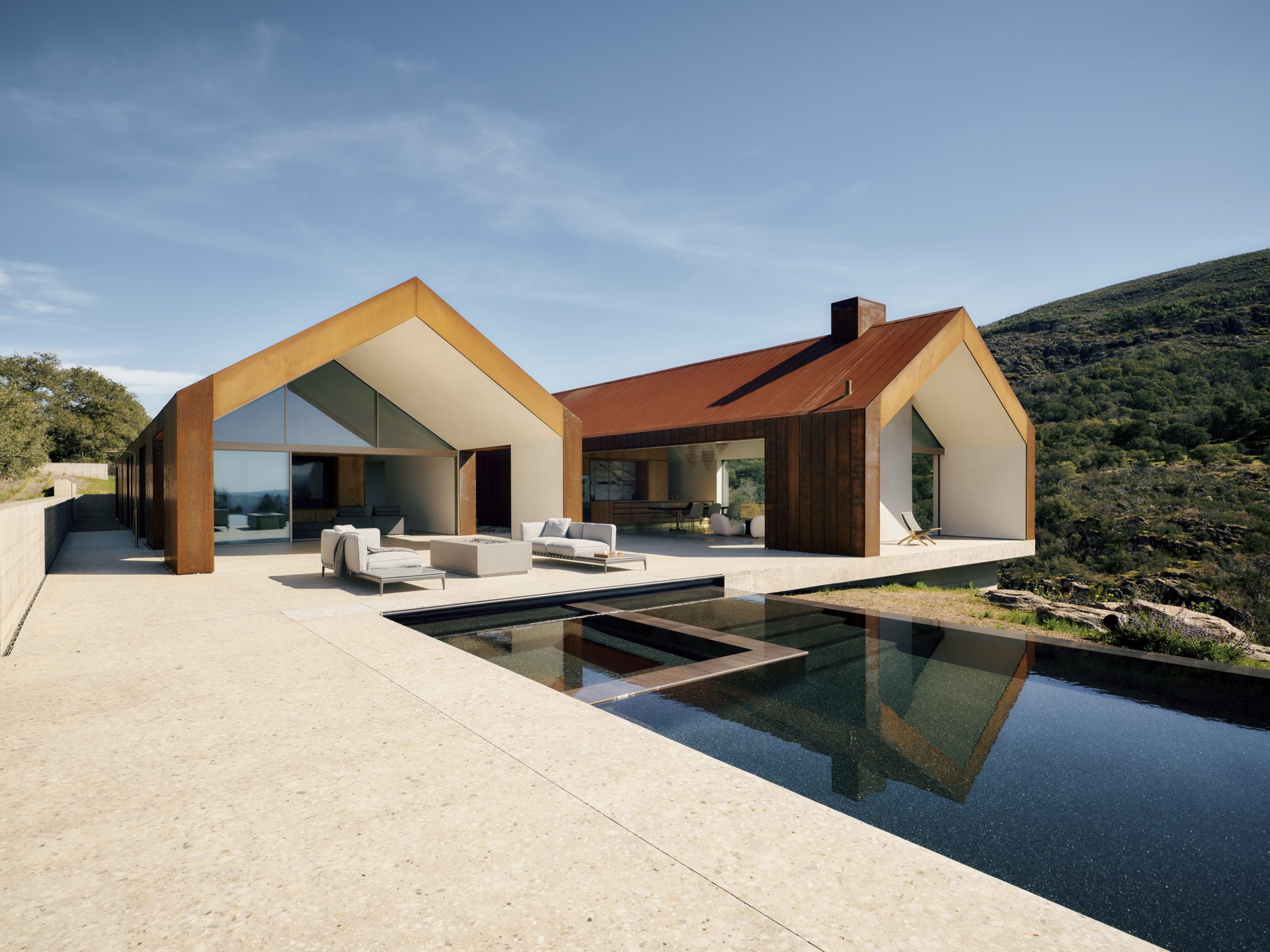
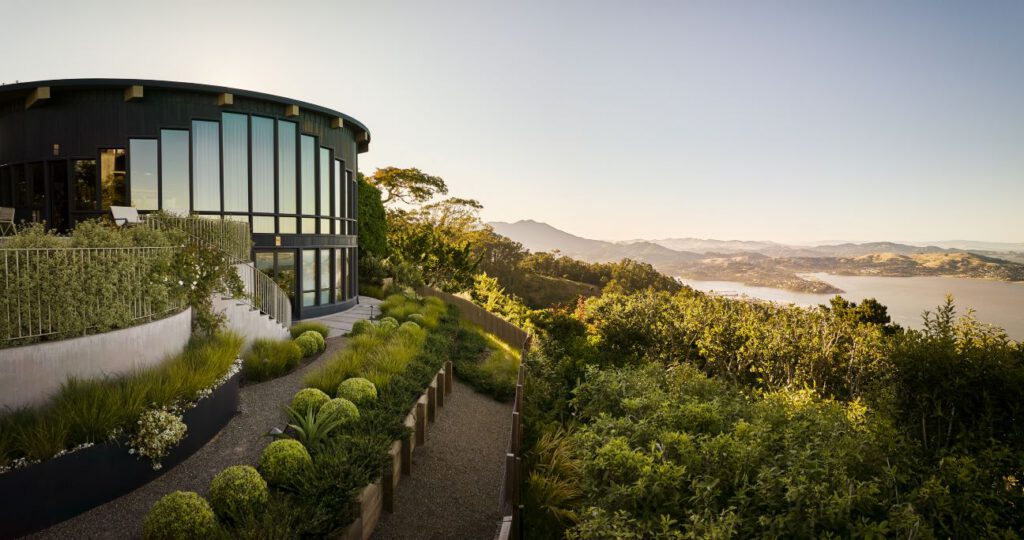
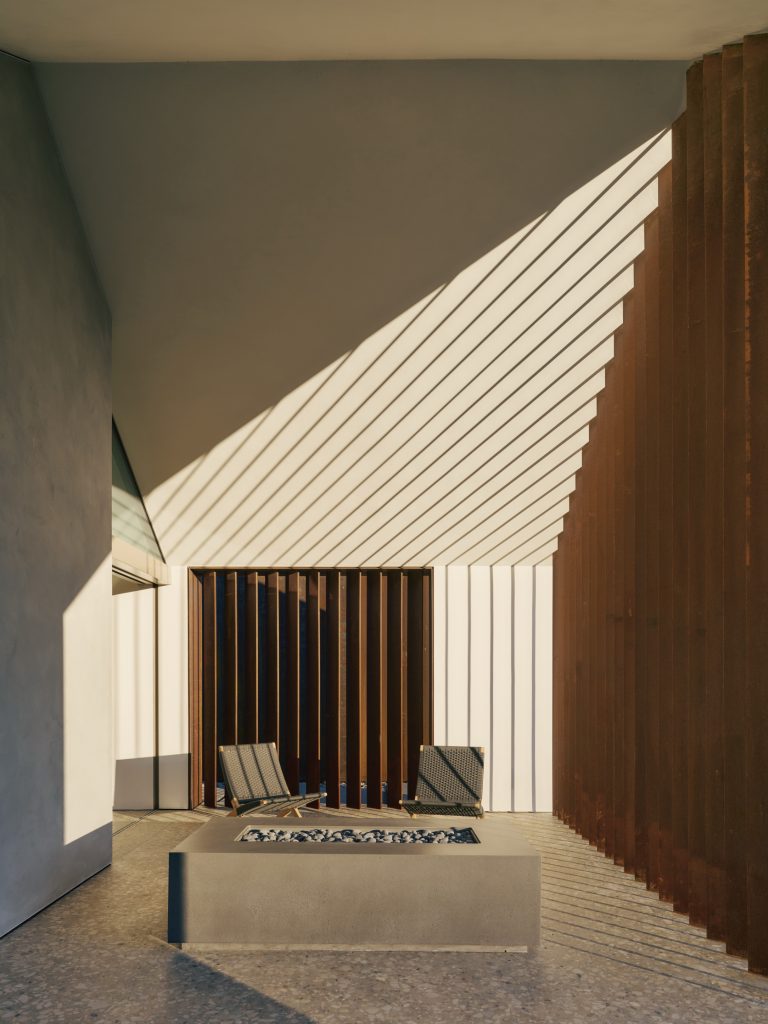
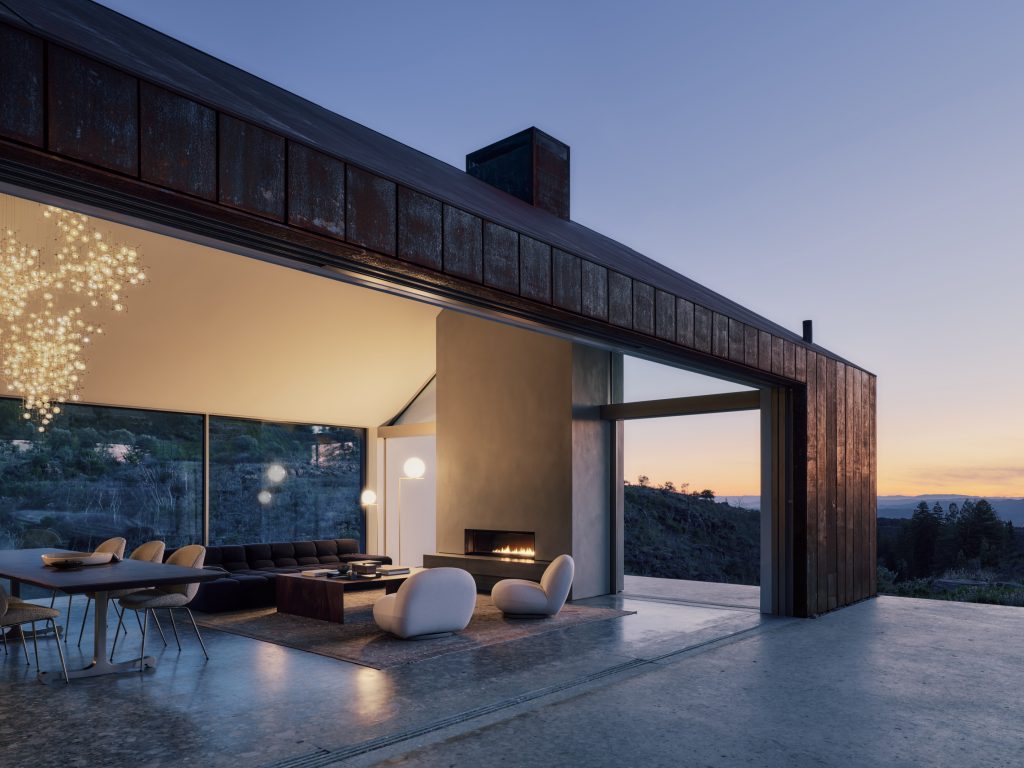
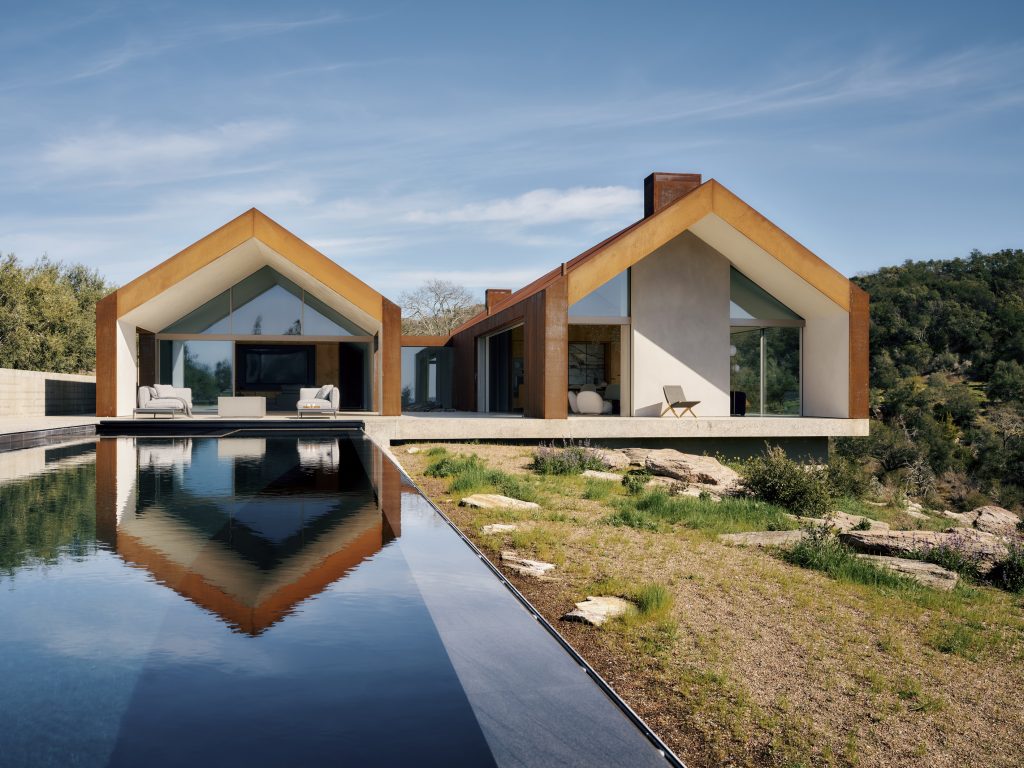
The commitment to resilience began with the envelope. The planned wood rain screen was replaced with a fully fire-resistant metal system. Working closely with the client and local partners, we led the development of a custom interlocking panel assembly.
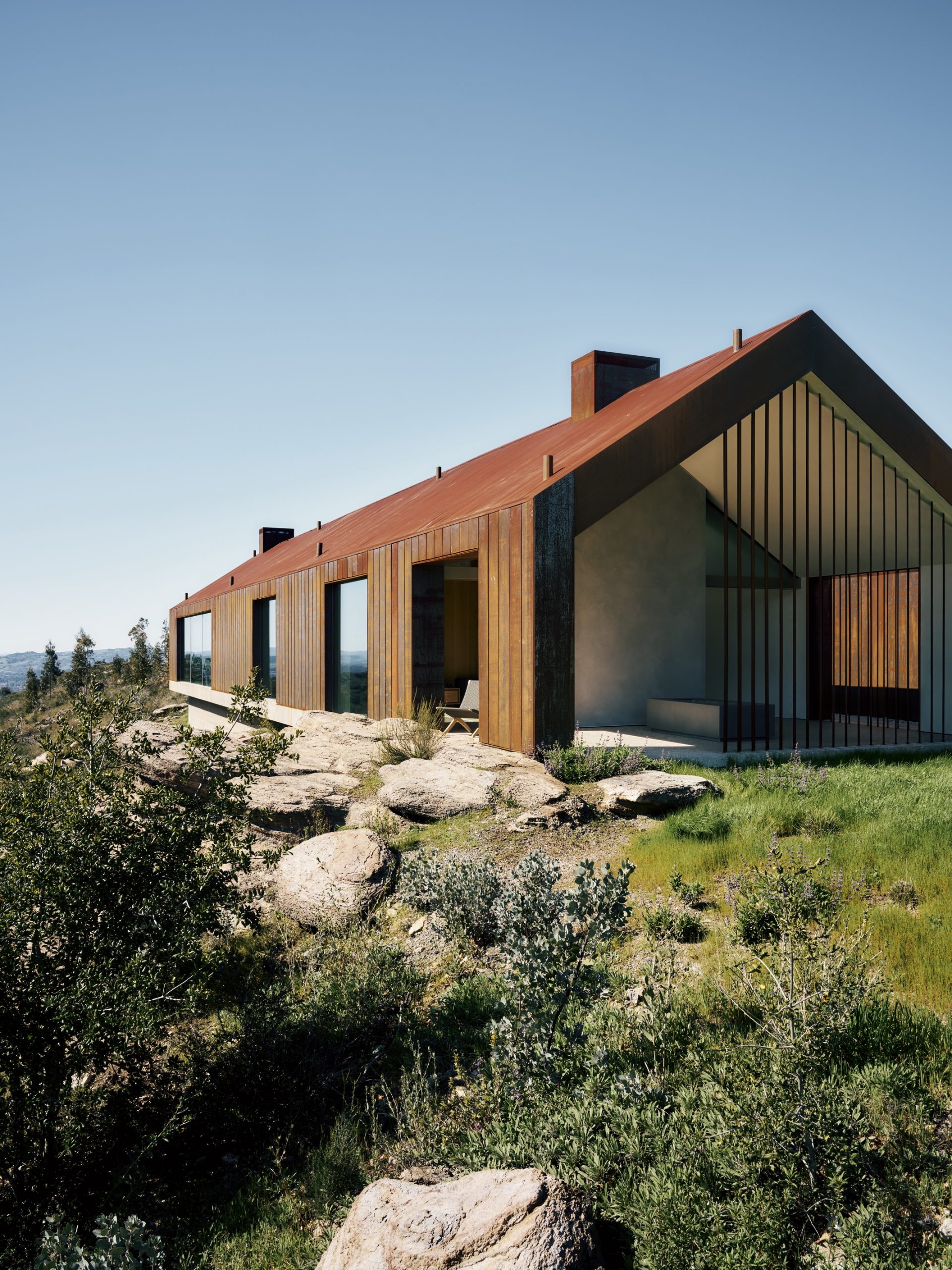
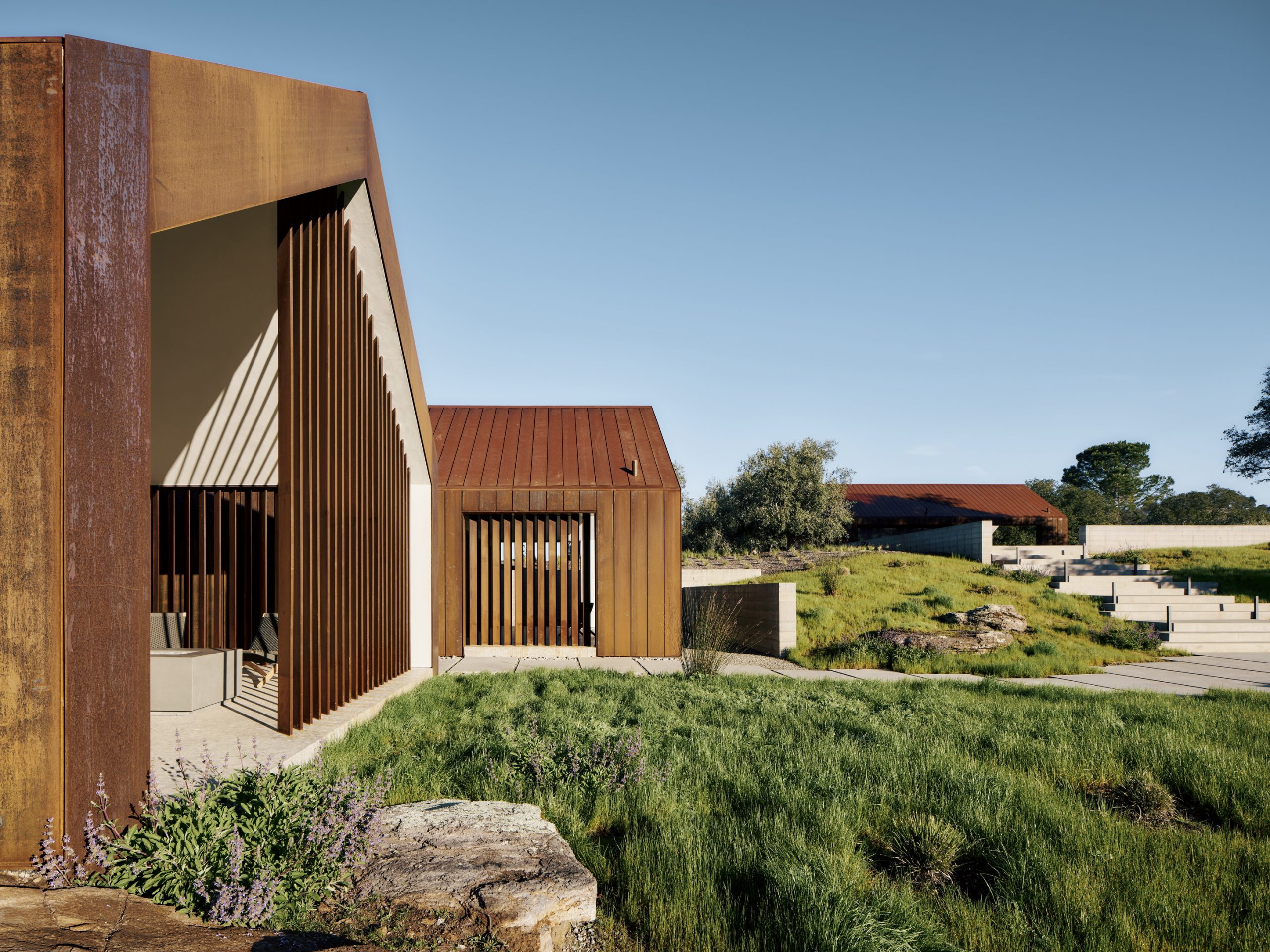
The system was detailed to shed embers and eliminate gaps that could admit flame or heat. Vents were recessed and baffled to reduce the risk of ember intrusion while still allowing air to circulate. Fasteners were concealed to ensure a clean, uninterrupted appearance. The result was an envelope that is both fire resistant and visually striking. These early choices became a model for how the rest of the home would be built.
We engineered and installed a site-wide fire suppression system integrated directly into the build. The system draws water from the pool, supported by backup tanks and a diesel-powered pump with smart controls. It can be activated remotely or triggered automatically through satellite and thermal sensors, saturating the entire property even if power and communication lines are down.
This was not an off-the-shelf solution. We researched emerging technologies, evaluated installation methods, and consulted with fire marshals statewide. We also studied after-action reports from recent wildfires and collaborated with a group at UC Berkeley developing similar systems. The result was a tailored approach that reflects the realities of building in California’s changing climate.
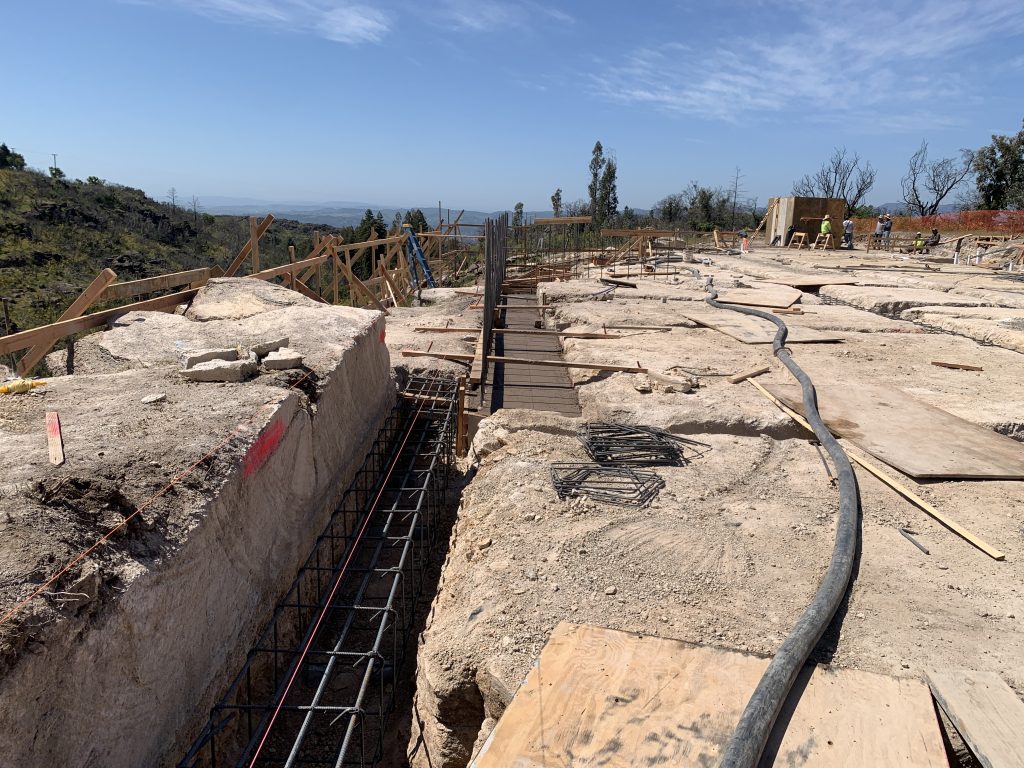
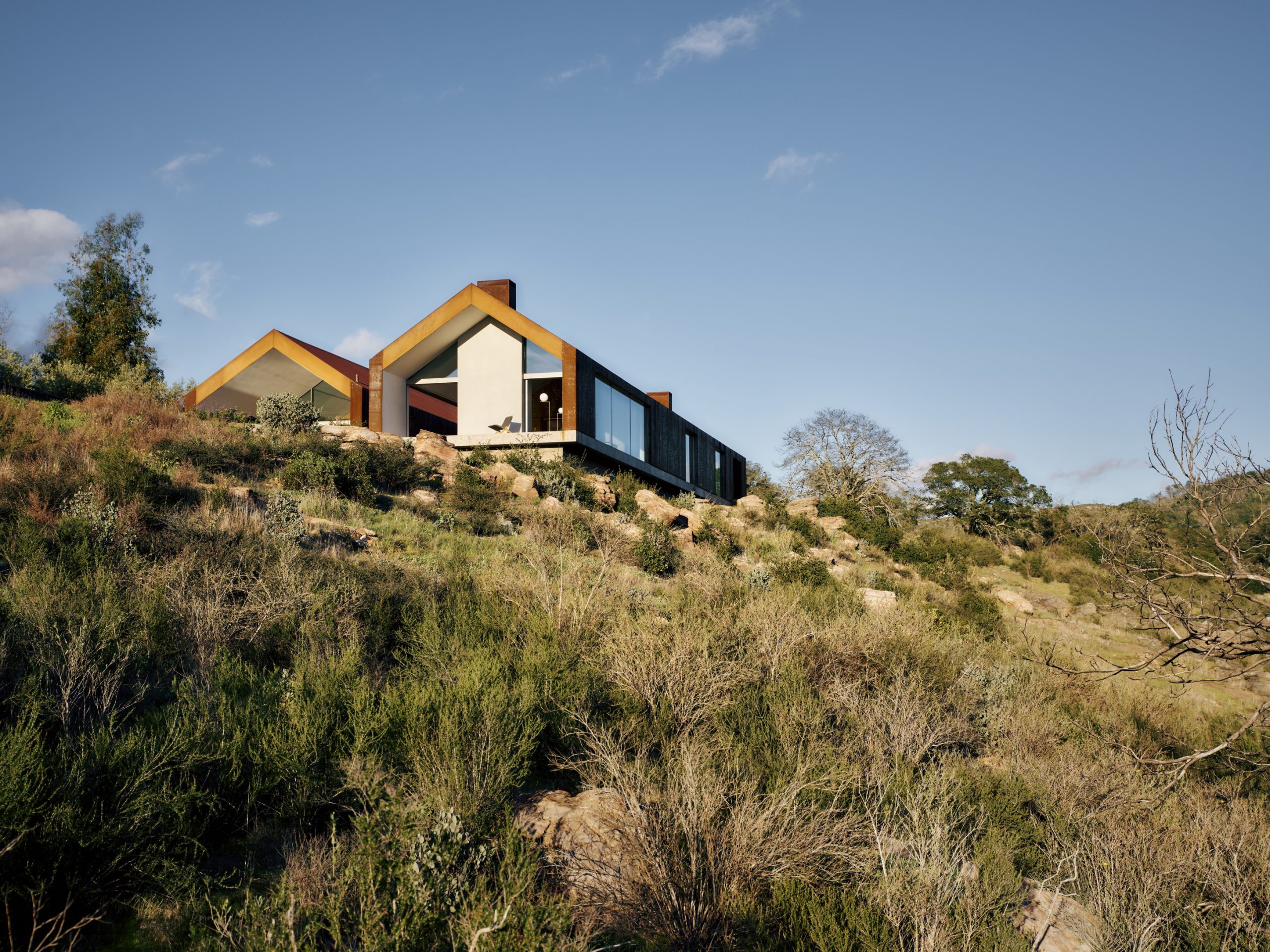
The site sits on exposed bedrock with only a thin layer of soil above it. Rather than over-excavate and grade a flat pad, we cut directly into the rock, preserving the site’s natural contours and setting the home into the hillside as if it had always been there. Making that approach possible required changes early in the process. We took the lead in mapping the footings in CAD, translating the design directly to the site and coordinating with the structural team to adapt the engineering to the terrain.
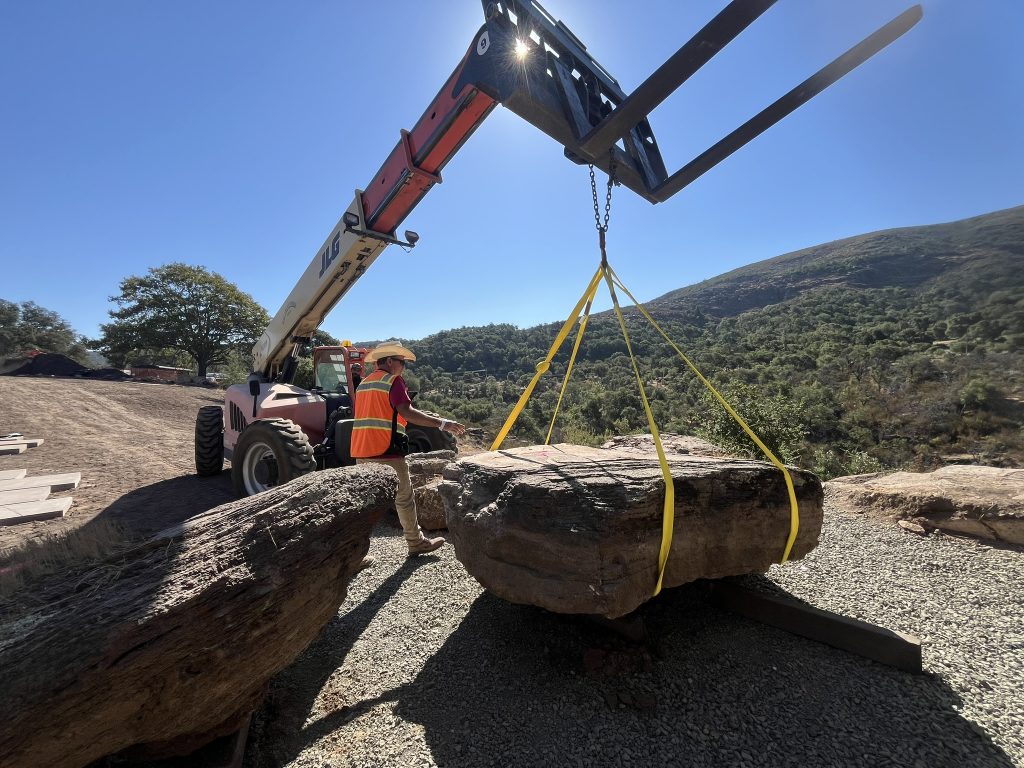
Boulders unearthed during excavation were cataloged and re-set into the landscape. Concrete walls were cast in place using board-formed concrete techniques. Together, these efforts produced a structure deeply rooted in its setting, with surfaces that reflect the textures and conditions of the surrounding terrain.
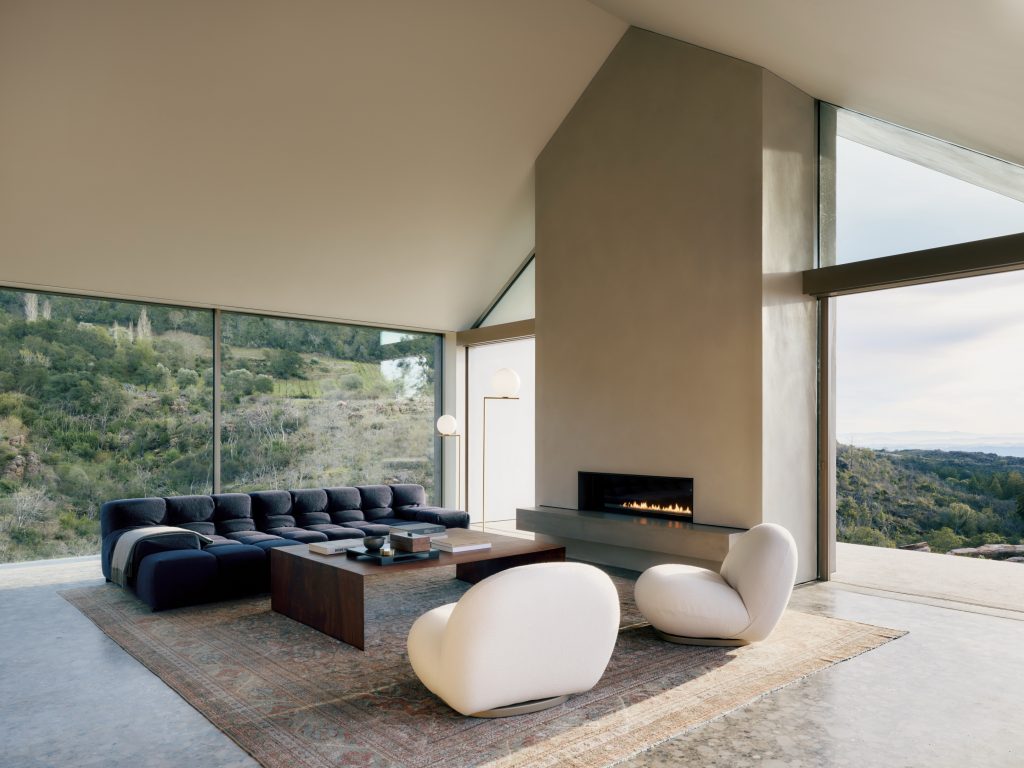
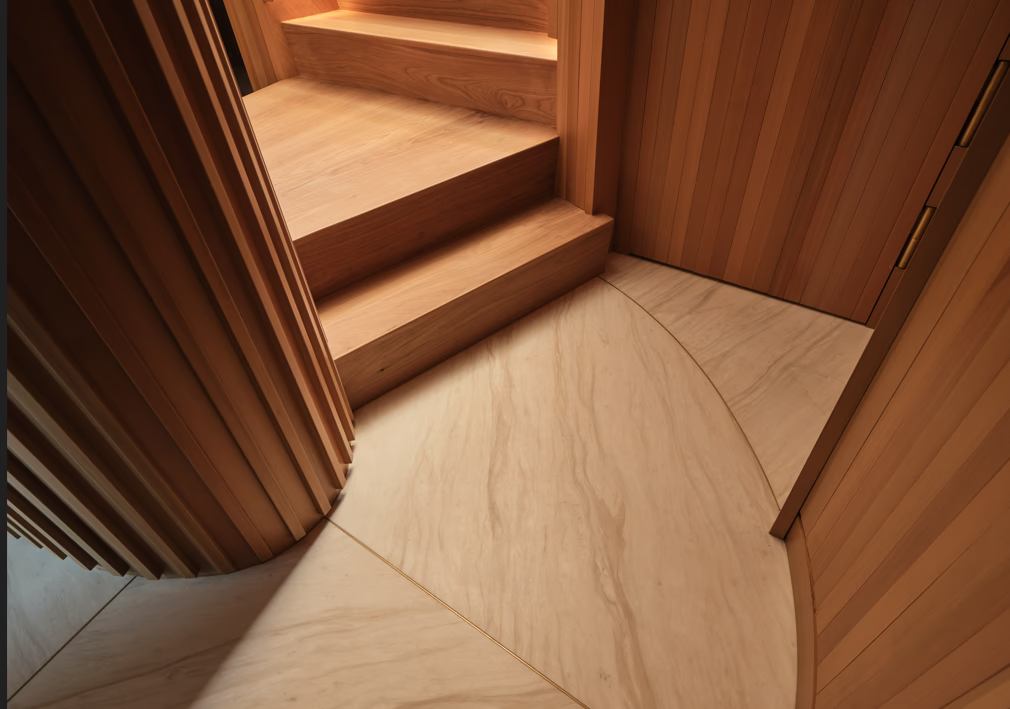
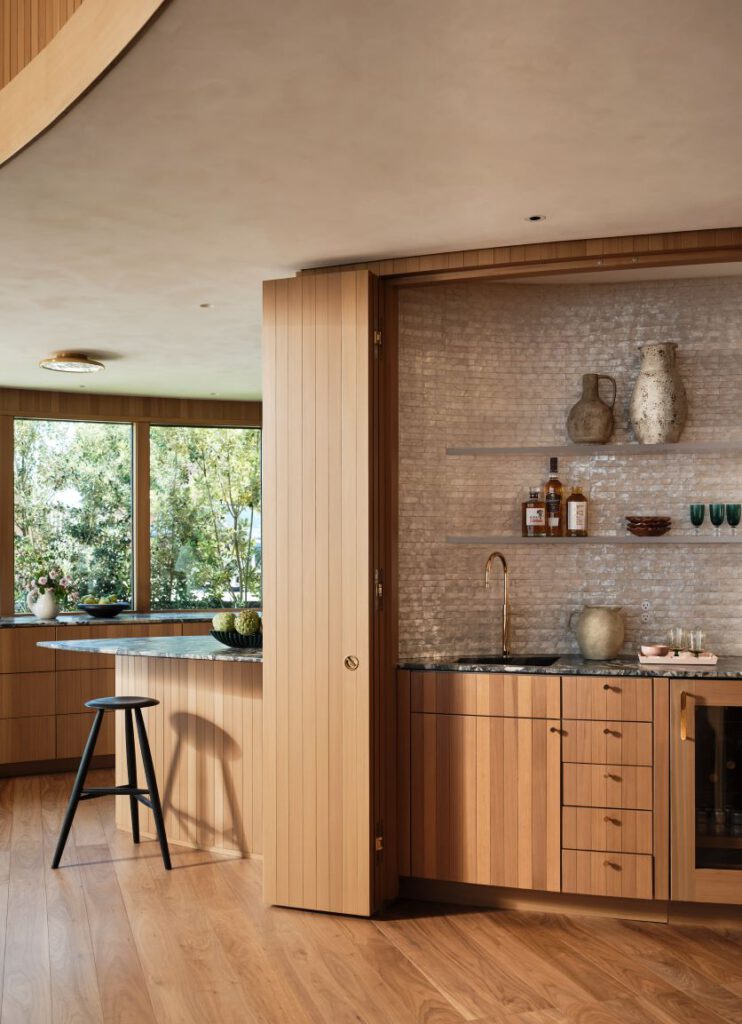
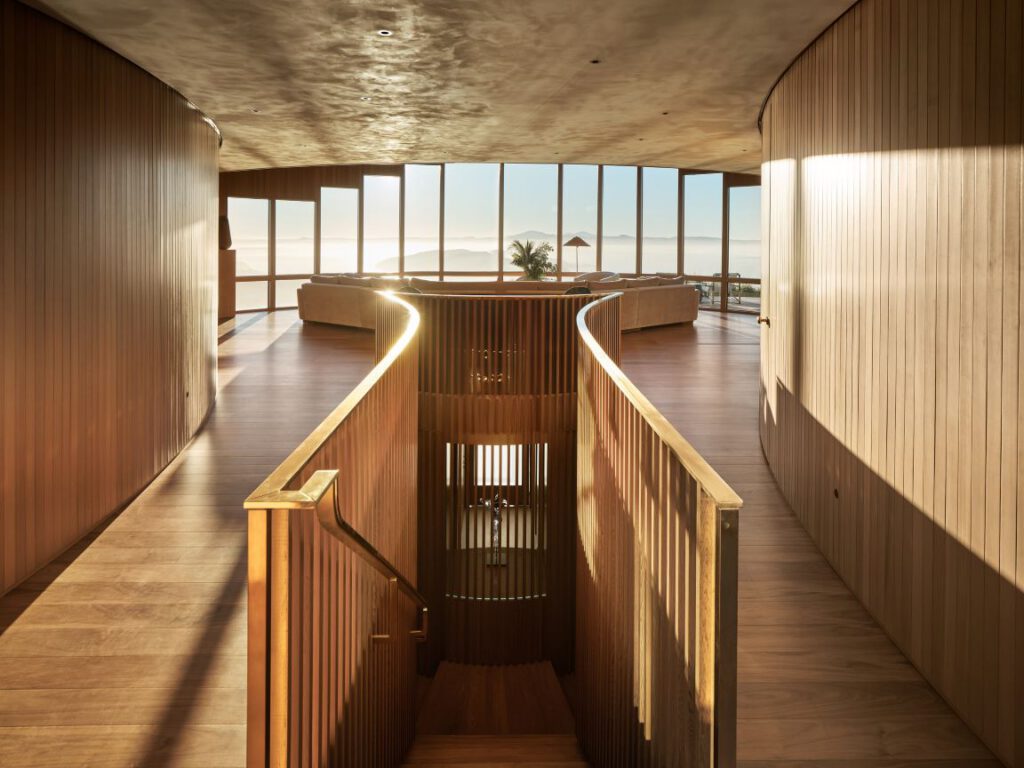
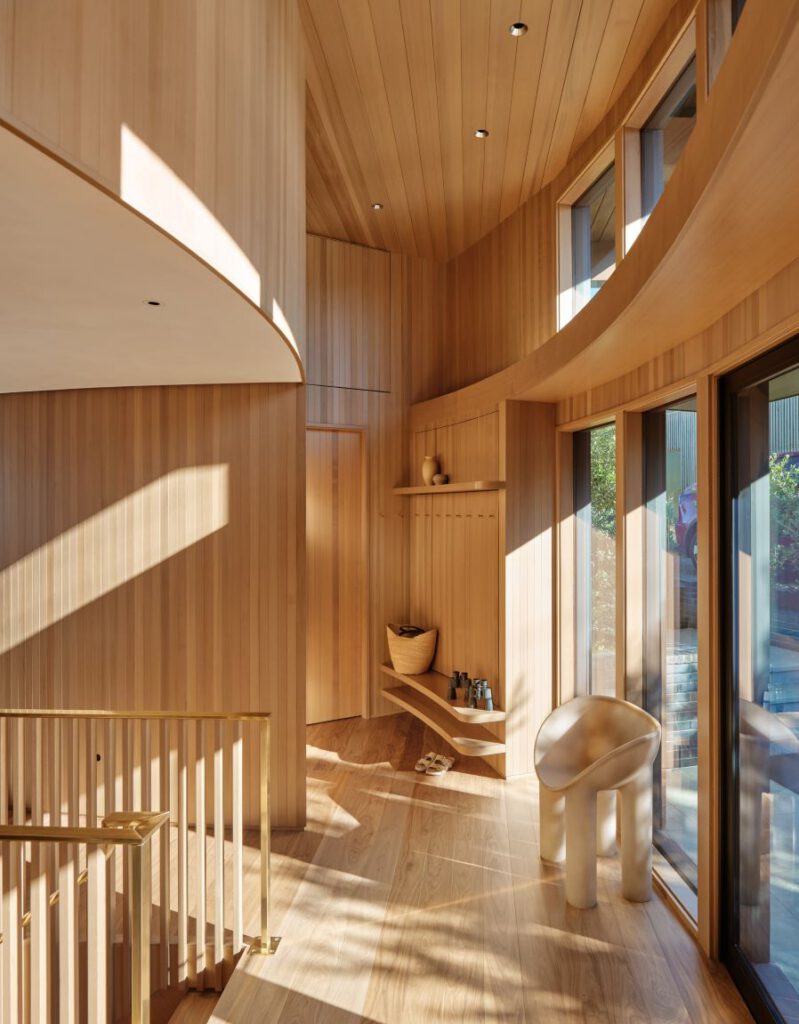
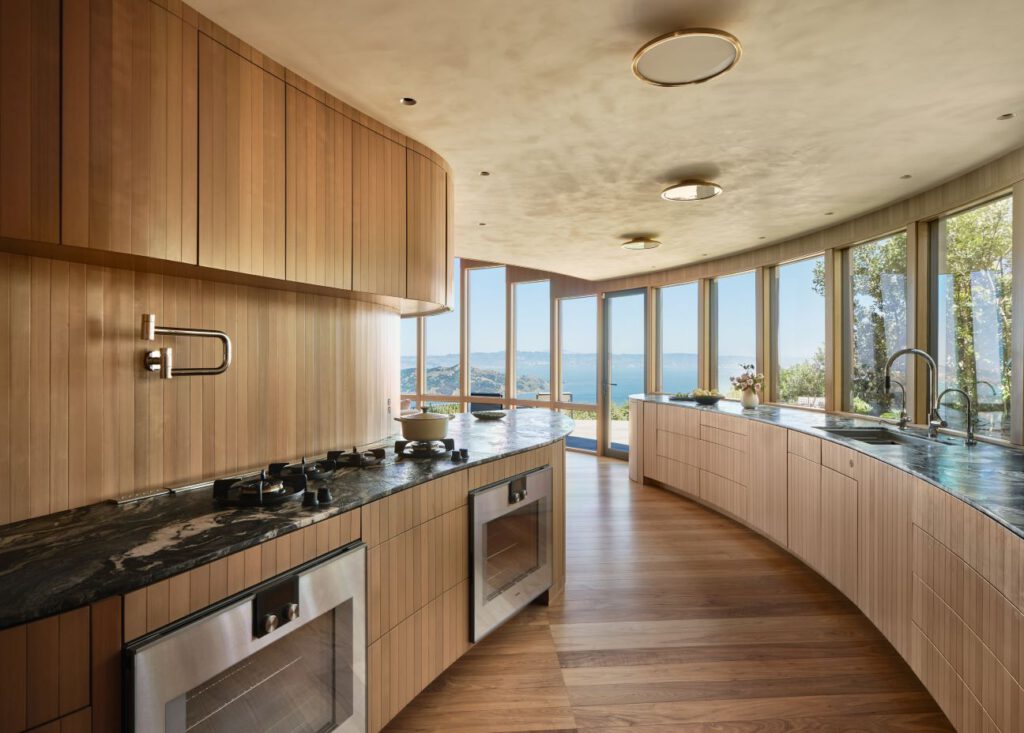
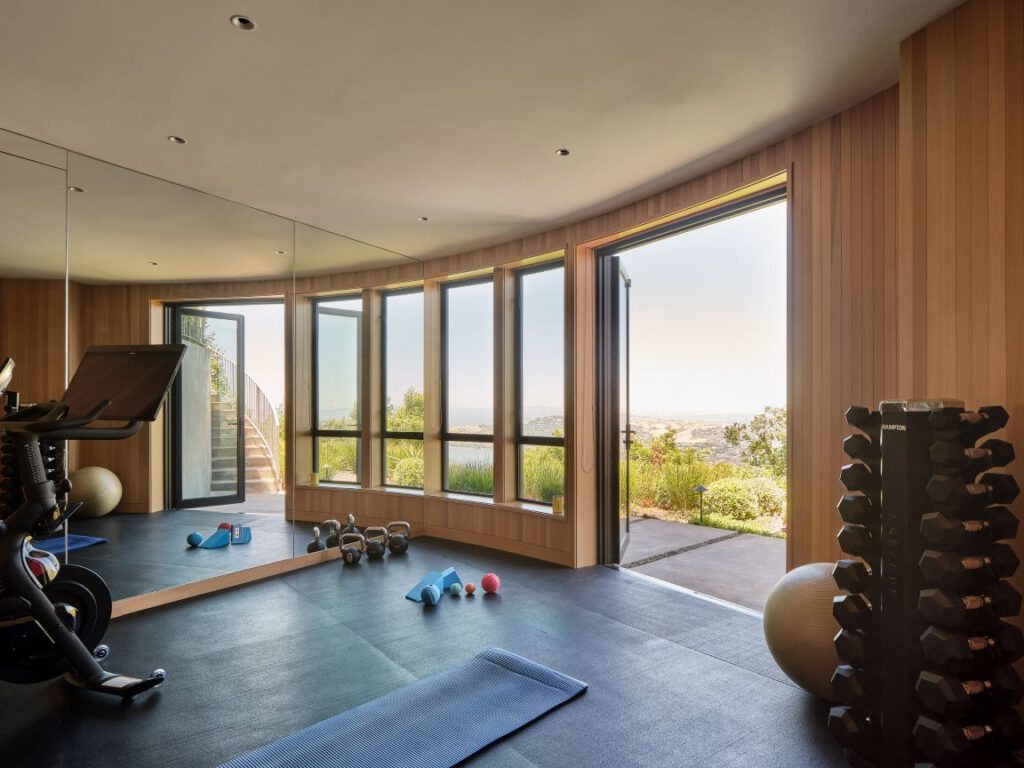
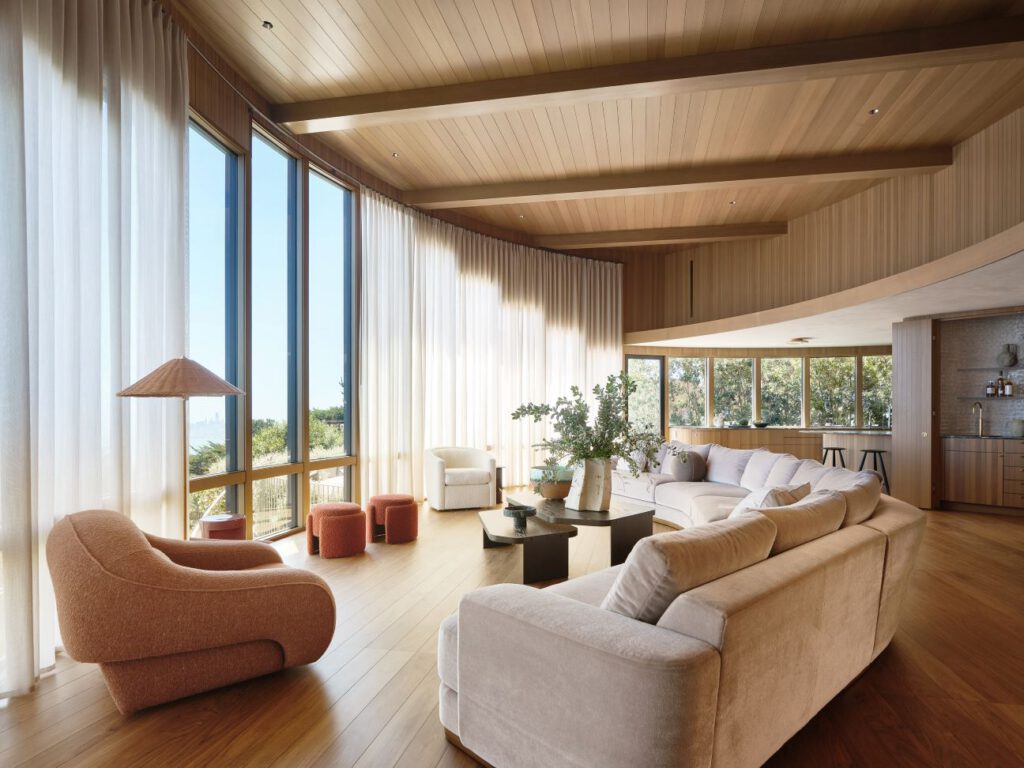
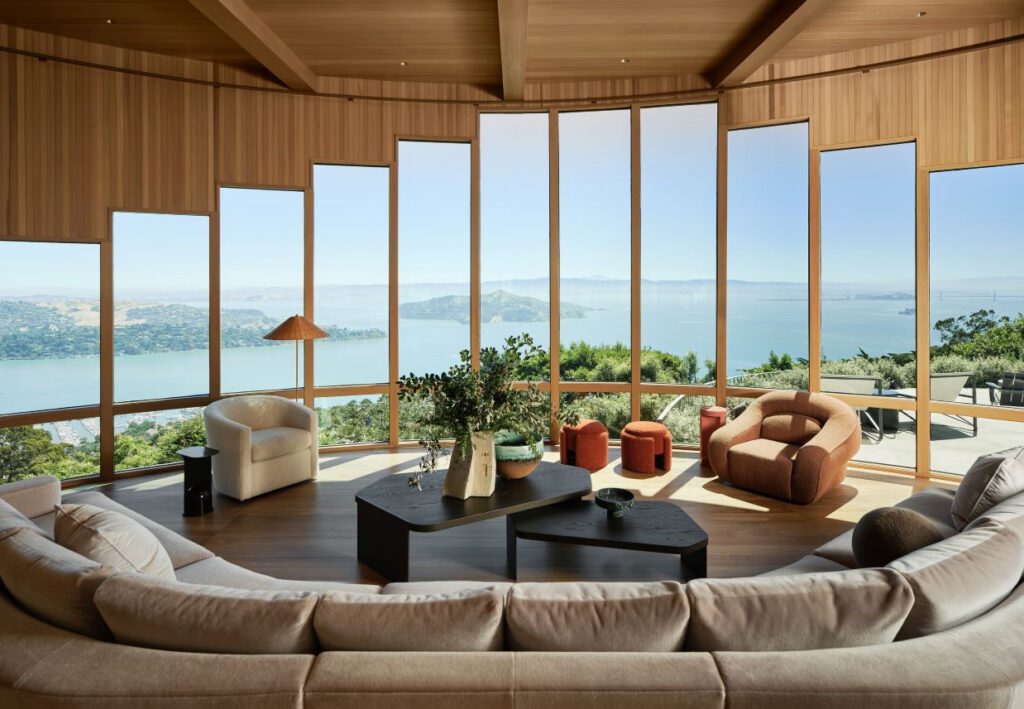
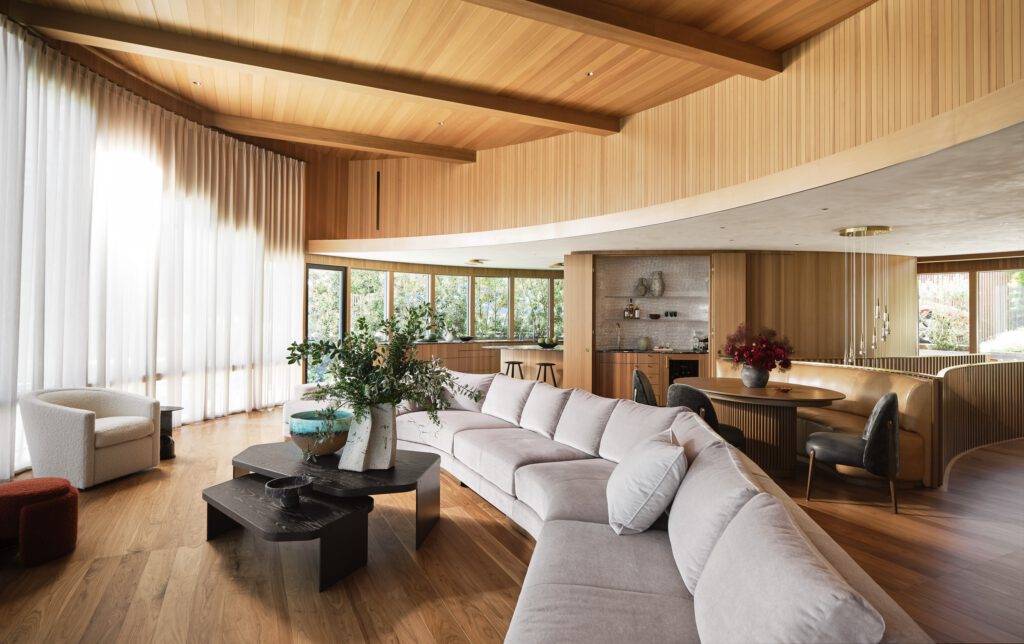
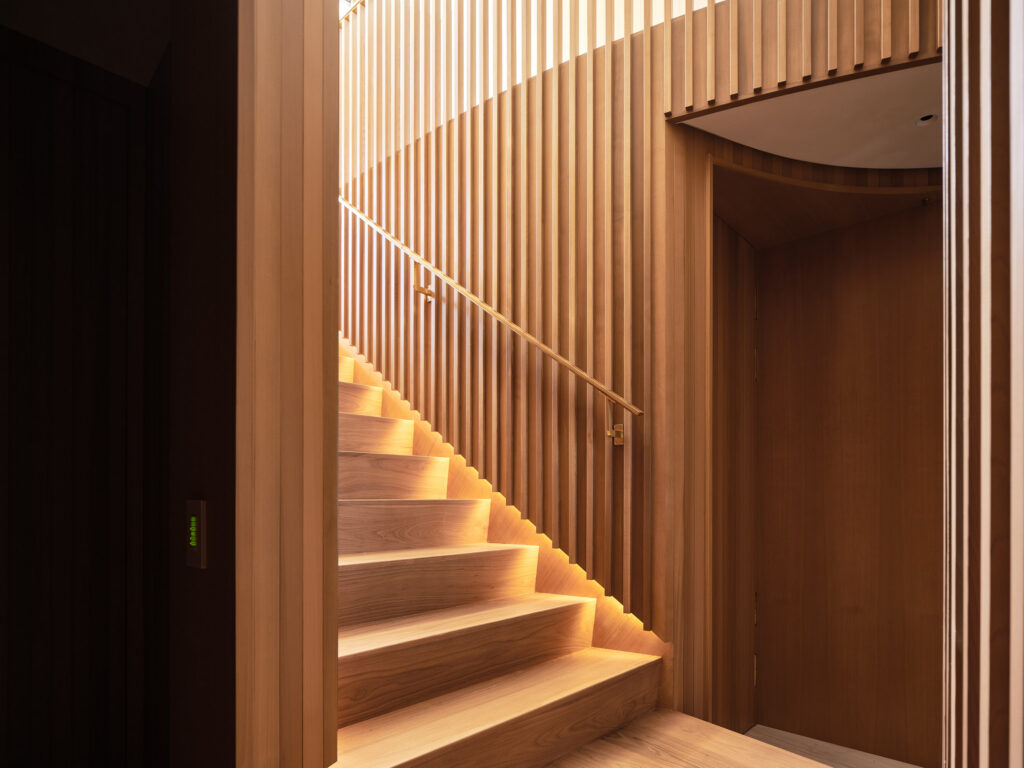
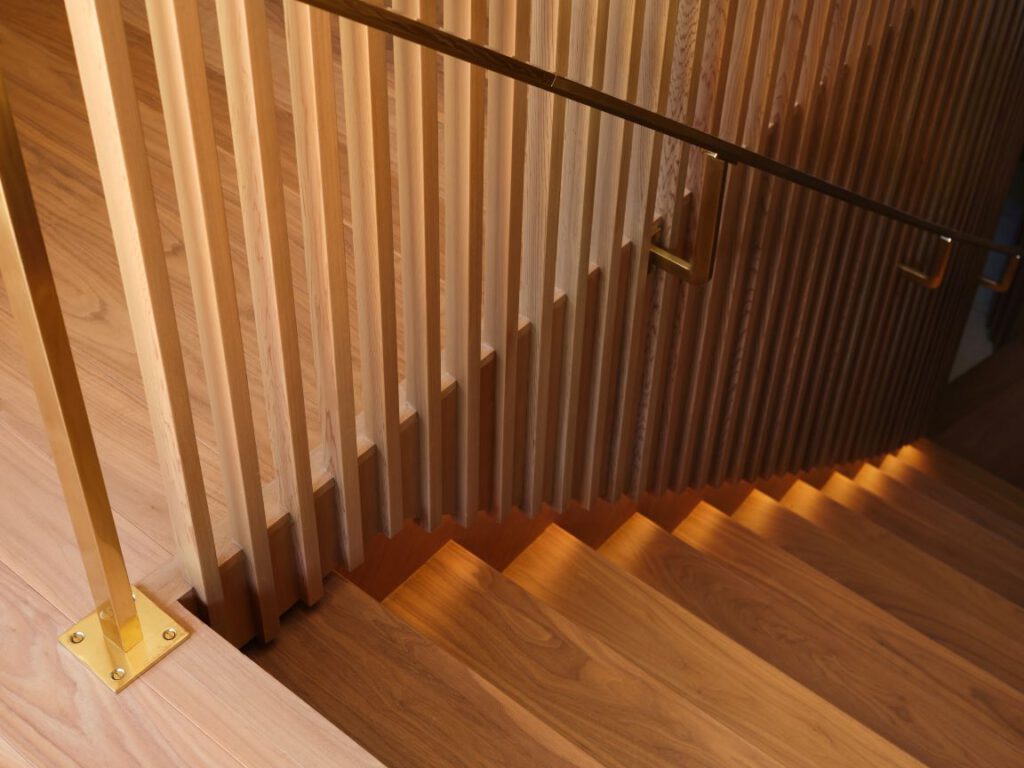
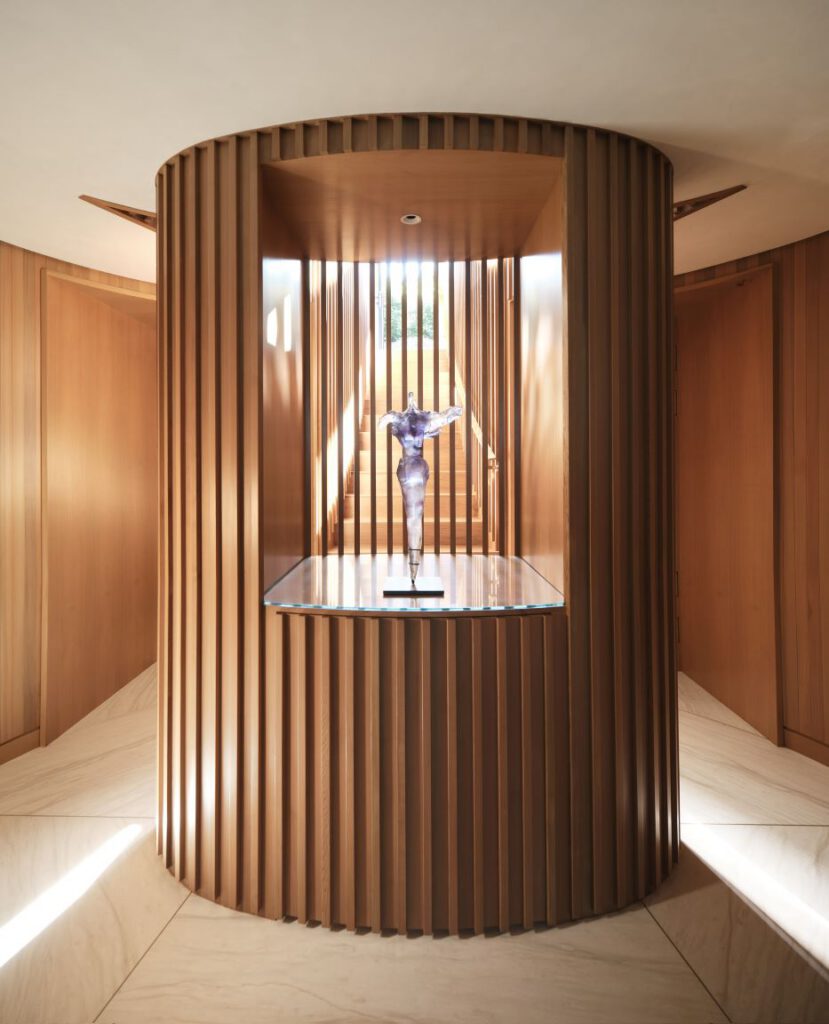
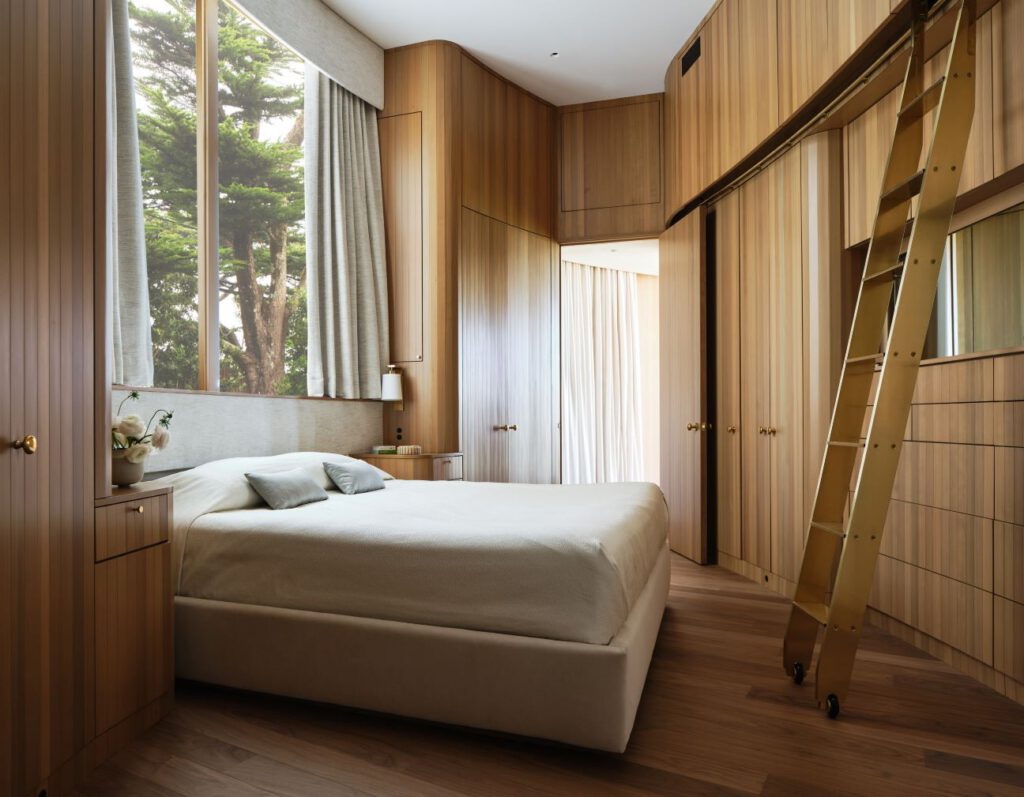
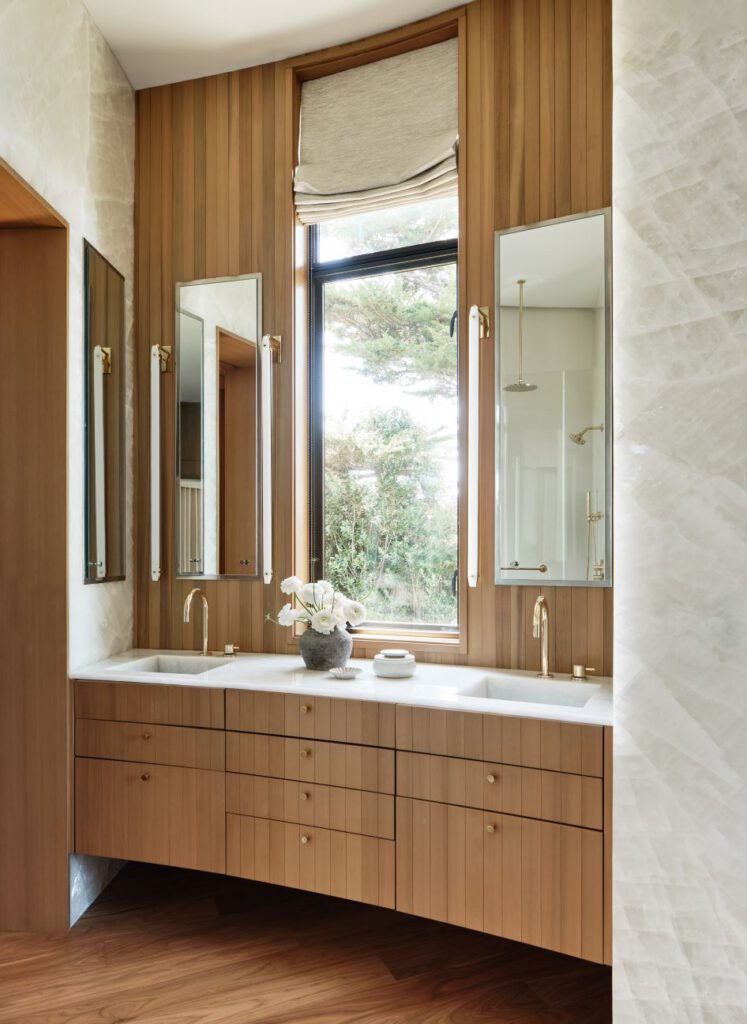
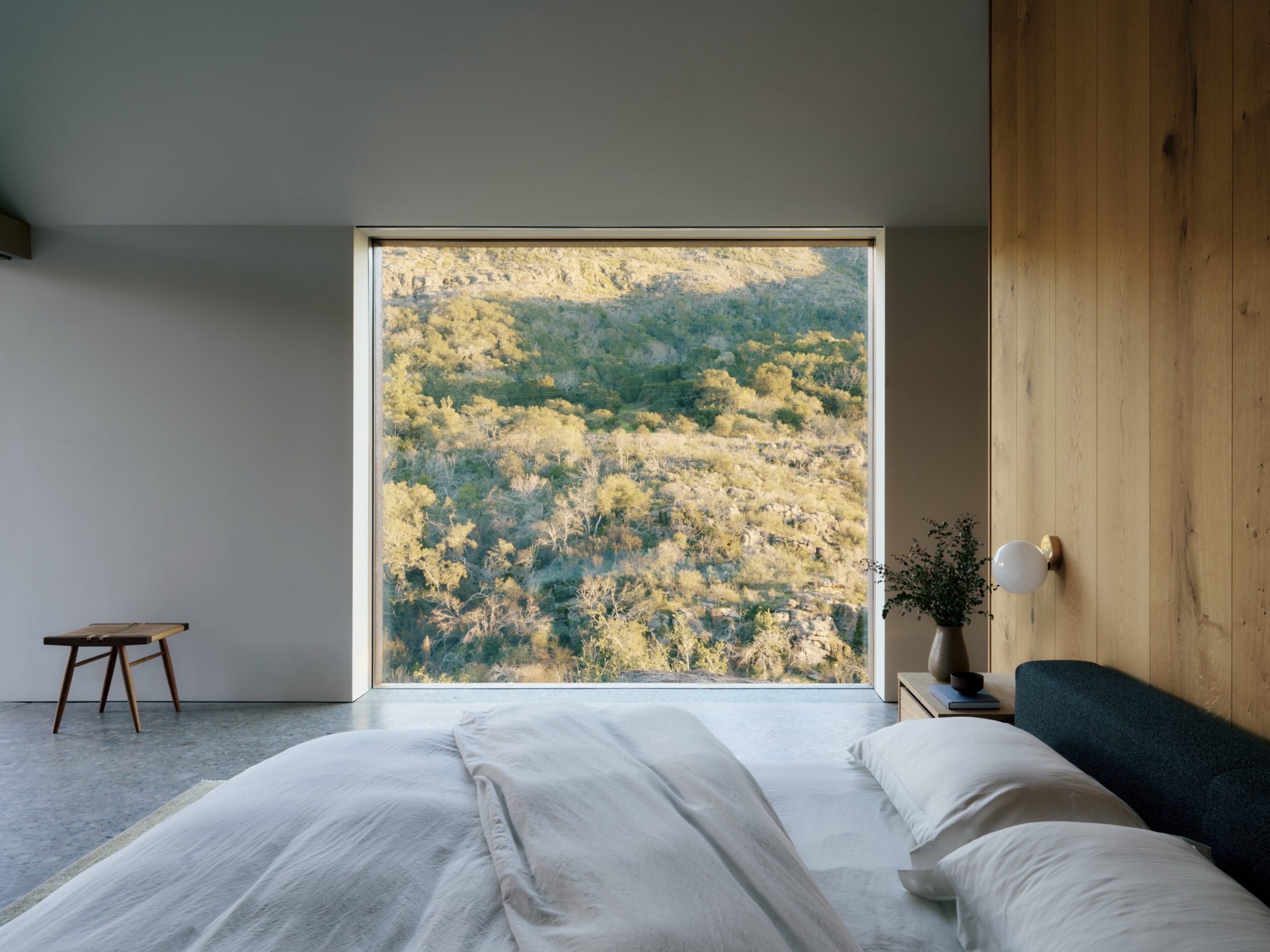
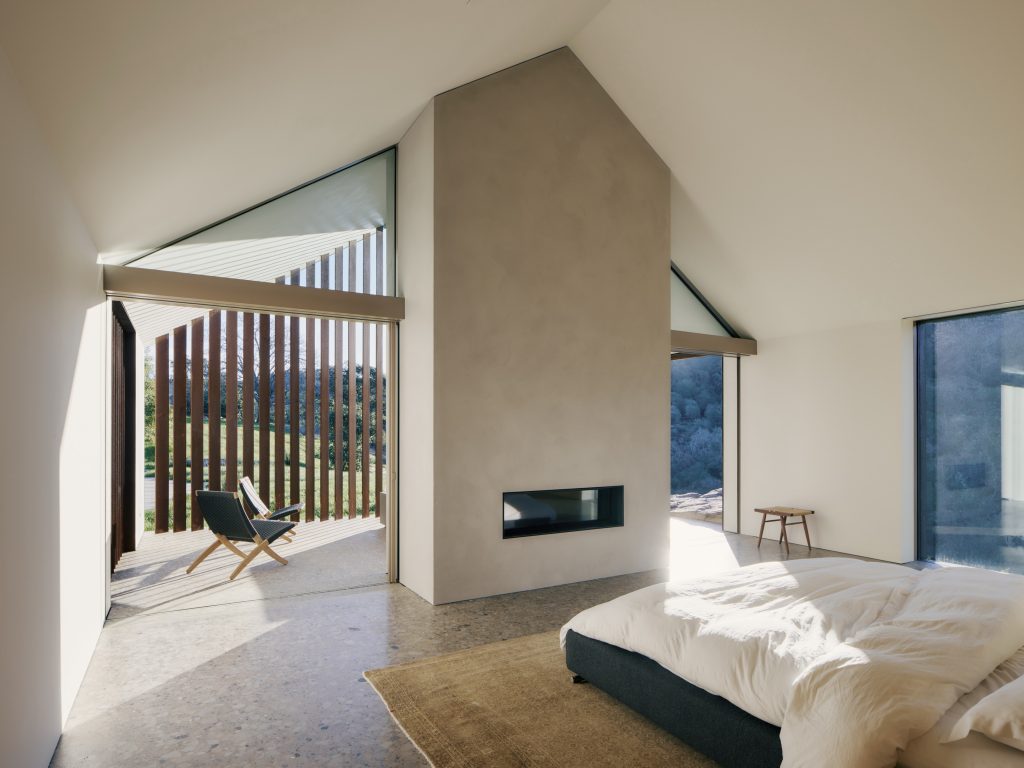
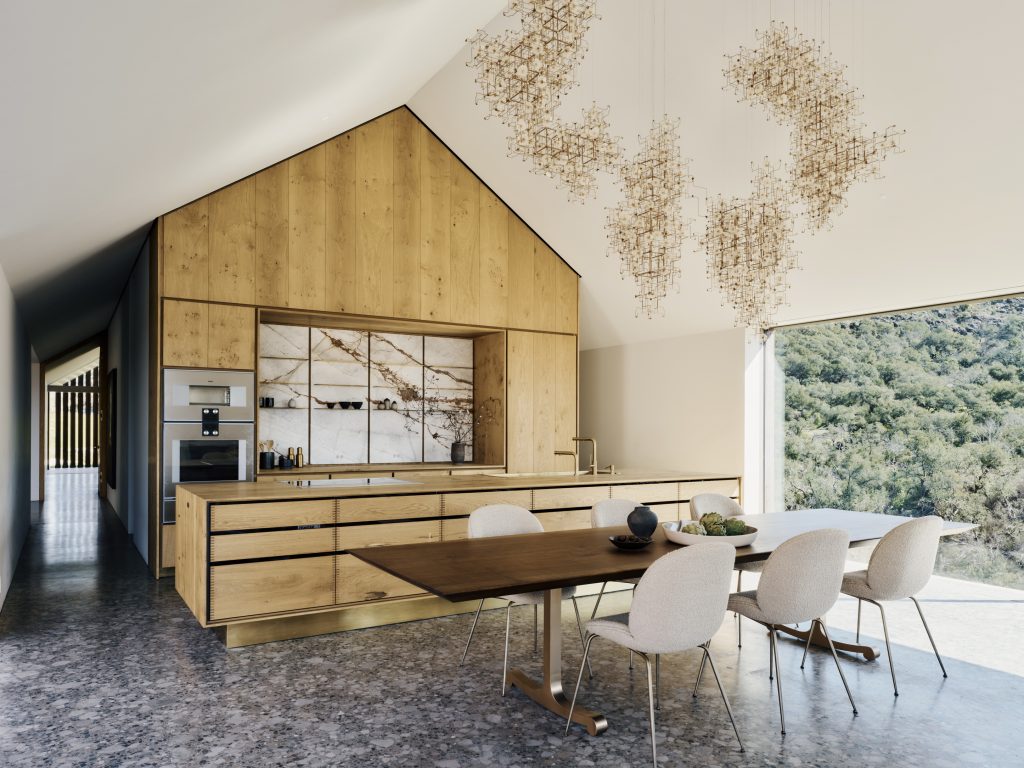
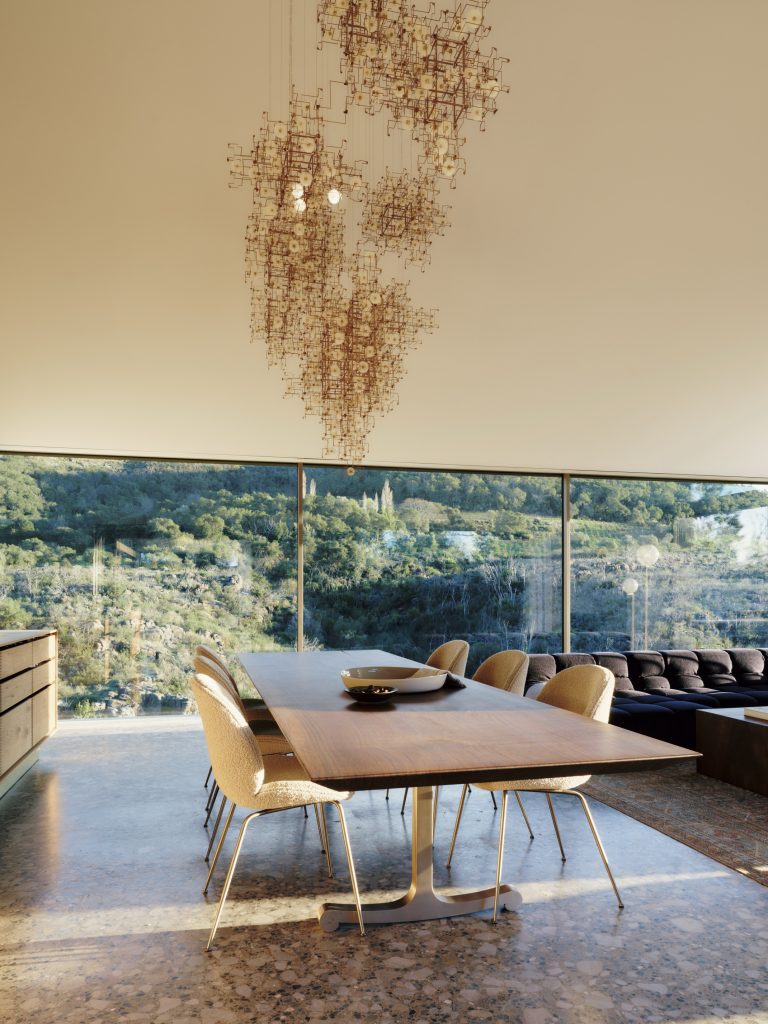
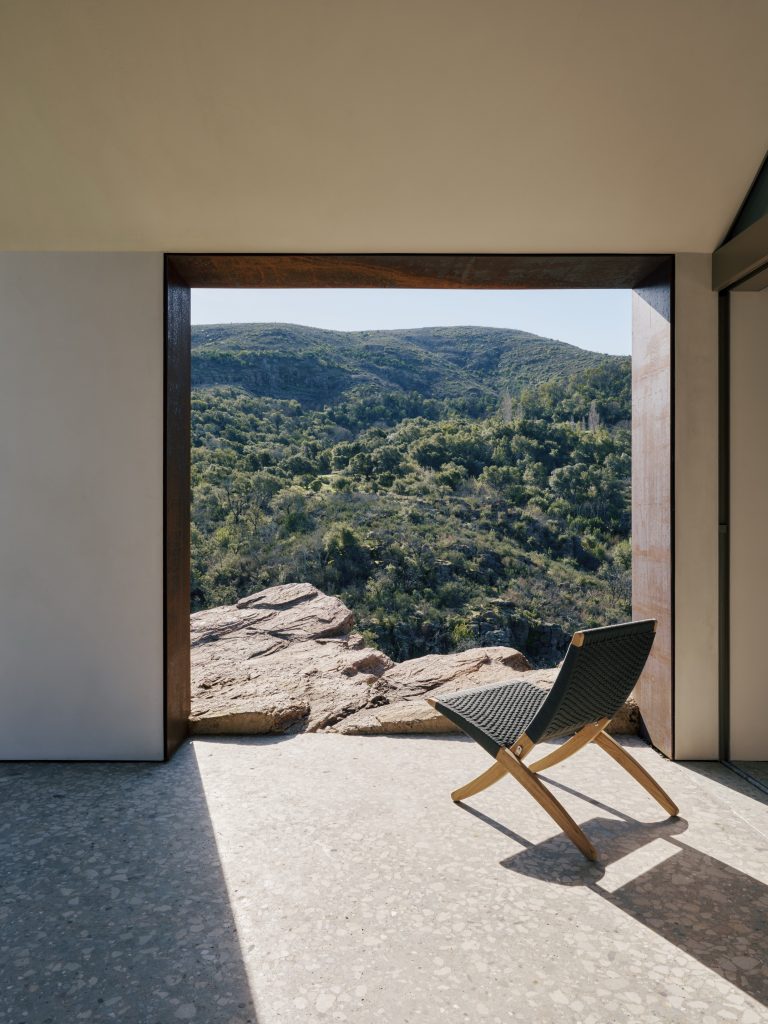
Inside, the same discipline and attention to detail carried through. Seeded concrete floors, cast and polished on site, echo the geology beneath the house. Thresholds and transitions were resolved to within millimeters, including custom detailing for the Vitrocsa doors and windows that blur the line between inside and out. More than a response to risk, it is a home designed to be lived in.
“Every day was problem solving. That’s what we love. That’s what makes this kind of work meaningful.”
There were no shortcuts. Every challenge was resolved through testing and collaboration. That mindset is rooted in the values that shape how we build, how we collaborate, and how we show up for the people and places we serve.
The questions this home responds to are shared by many. How do we live with fire? How do we build with care? How do we prepare for what comes next? These questions are reshaping how California builds, and they will continue to shape the work we do.
Enjoying the view? See more photos on our project page.
General Contracting by Devlin McNally Construction
Architecture & Interior Design by Edmonds + Lee Architects
Landscape Architecture by Ground Studio Landscape Architecture
Photography by …